
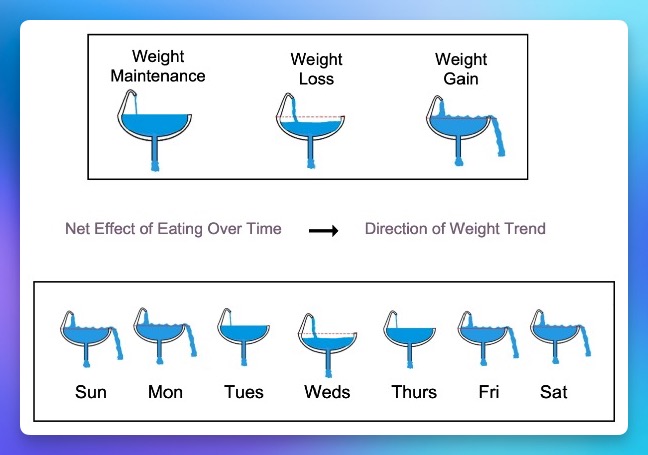

- Weight Management Works Like a Sink (PDF Slides) (opens in a new tab)
- Weight Management Works Like a Sink – Handout (opens in a new tab)
🎧 Prefer to Listen to this Post?
Click the play button on the audio player below to have the text content of this article read to you. You can even close your browser or lock your phone and the audio will continue to play. It’s perfect for consuming this content on the go. 🏃♂️💨
In this post, we explore the fascinating principles of weight loss through the analogy of a sink. By understanding how energy balance affects weight gain, loss, and maintenance, you can better navigate your journey toward achieving your weight loss goals.
🌟 Introduction to Weight Management
Weight management is all about understanding the balance between calories consumed and calories burned. When we talk about weight loss, we’re really discussing the art of creating a caloric deficit. It’s essential to grasp how our daily habits influence this balance. Every meal, snack, and exercise session contributes to our overall energy equation.
Think of it like a scale. On one side, you have the calories you take in through food and drink. On the other side, you have the calories you burn through daily activities, exercise, and your body’s basic functions. The goal? To tip that scale in favor of weight loss.
📊 Visualizing Caloric Intake and Expenditure
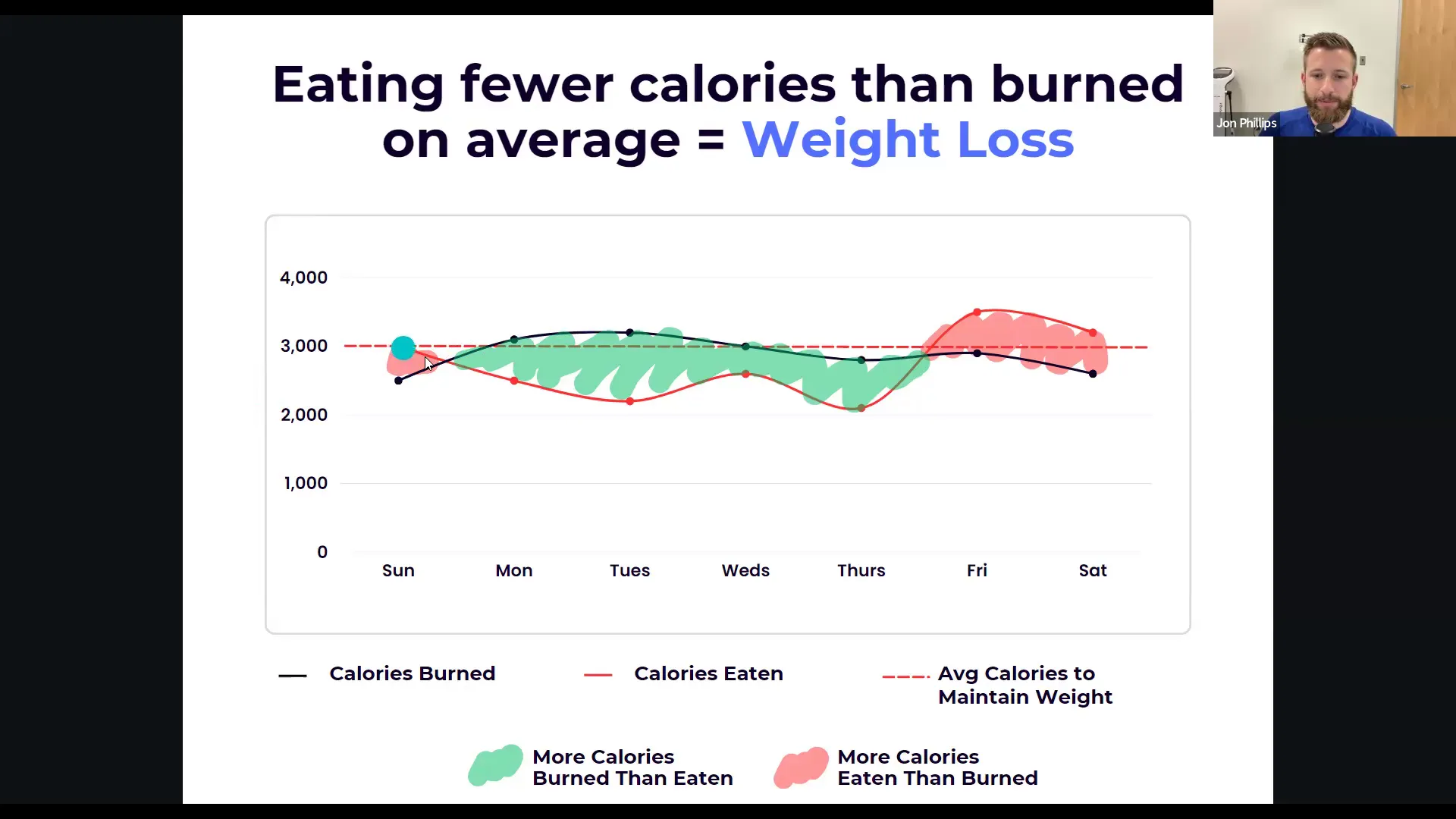
To truly understand weight management, visualizing caloric intake and expenditure can be incredibly helpful. Imagine a graph where one line represents your daily calorie intake and another line represents the calories burned. When the intake line is above the expenditure line, you’re in a caloric surplus, which can lead to weight gain. Conversely, when the expenditure line is above the intake line, you’re in a caloric deficit, paving the way for weight loss.
🔍 Understanding Caloric Deficits and Surpluses
Caloric deficits and surpluses are the key players in the weight management game. A caloric deficit occurs when you consume fewer calories than your body needs for maintenance. This is the pathway to weight loss. On the flip side, a caloric surplus happens when you consume more calories than you expend, leading to weight gain.
It’s important to note that the size of the deficit or surplus matters. A small deficit might lead to gradual weight loss, while a significant surplus can result in rapid weight gain. Understanding where you stand on this spectrum can help you make informed choices.
📅 The Weekly Perspective on Caloric Balance
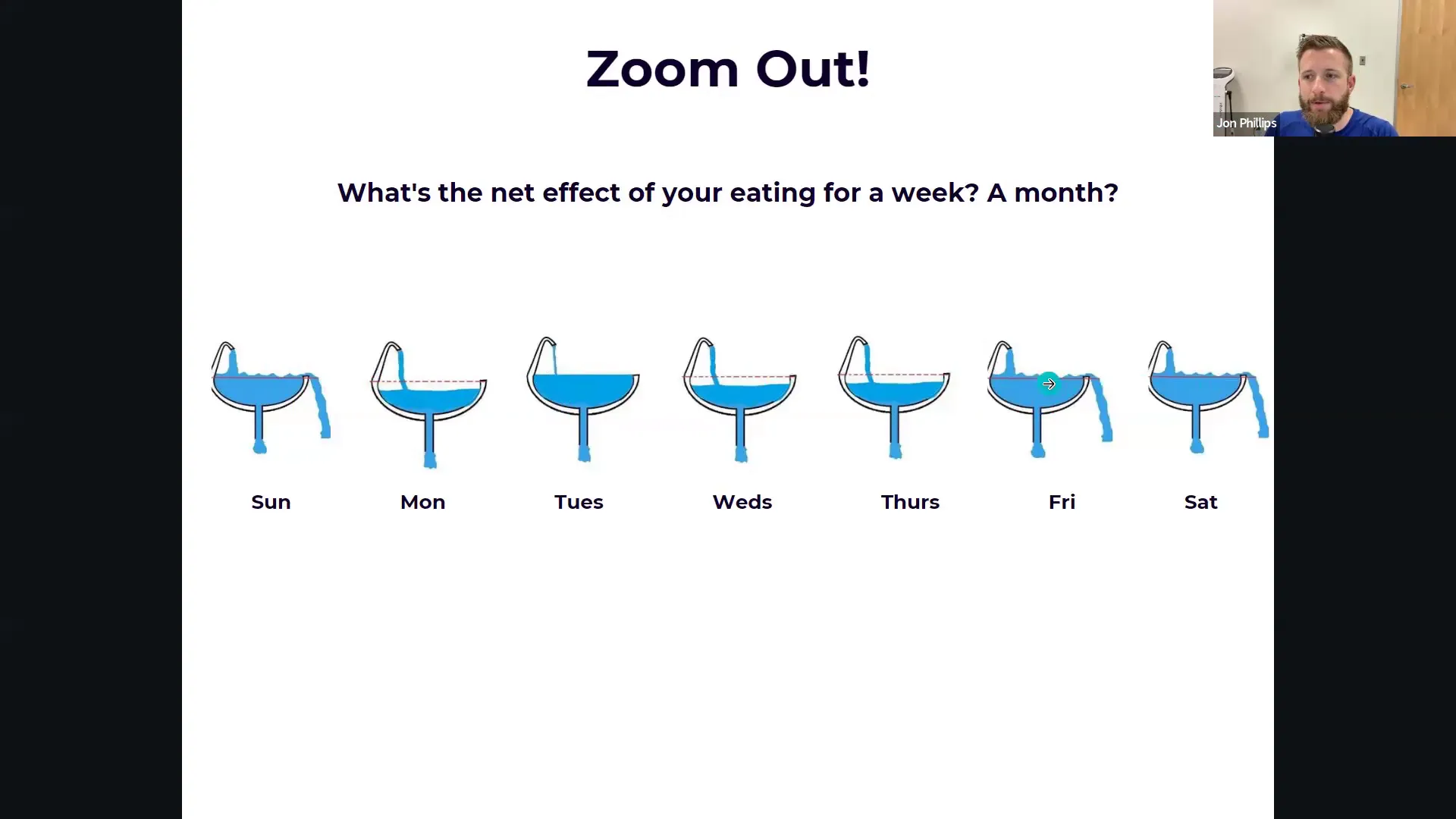
Weight management isn’t just about daily intake; it’s about understanding the bigger picture over a week. Ideally, you want to look at your weekly caloric balance rather than fixating on daily fluctuations. If you have a few surplus days during the week, but the majority of your days are in a deficit, you can still achieve weight loss.
This perspective helps to alleviate the stress of daily calorie counting. Instead, focus on the overall trends in your eating habits. This broader view allows you to enjoy life while still making progress toward your weight loss goals.
🚰 The Sink Analogy: Calories In vs. Calories Out
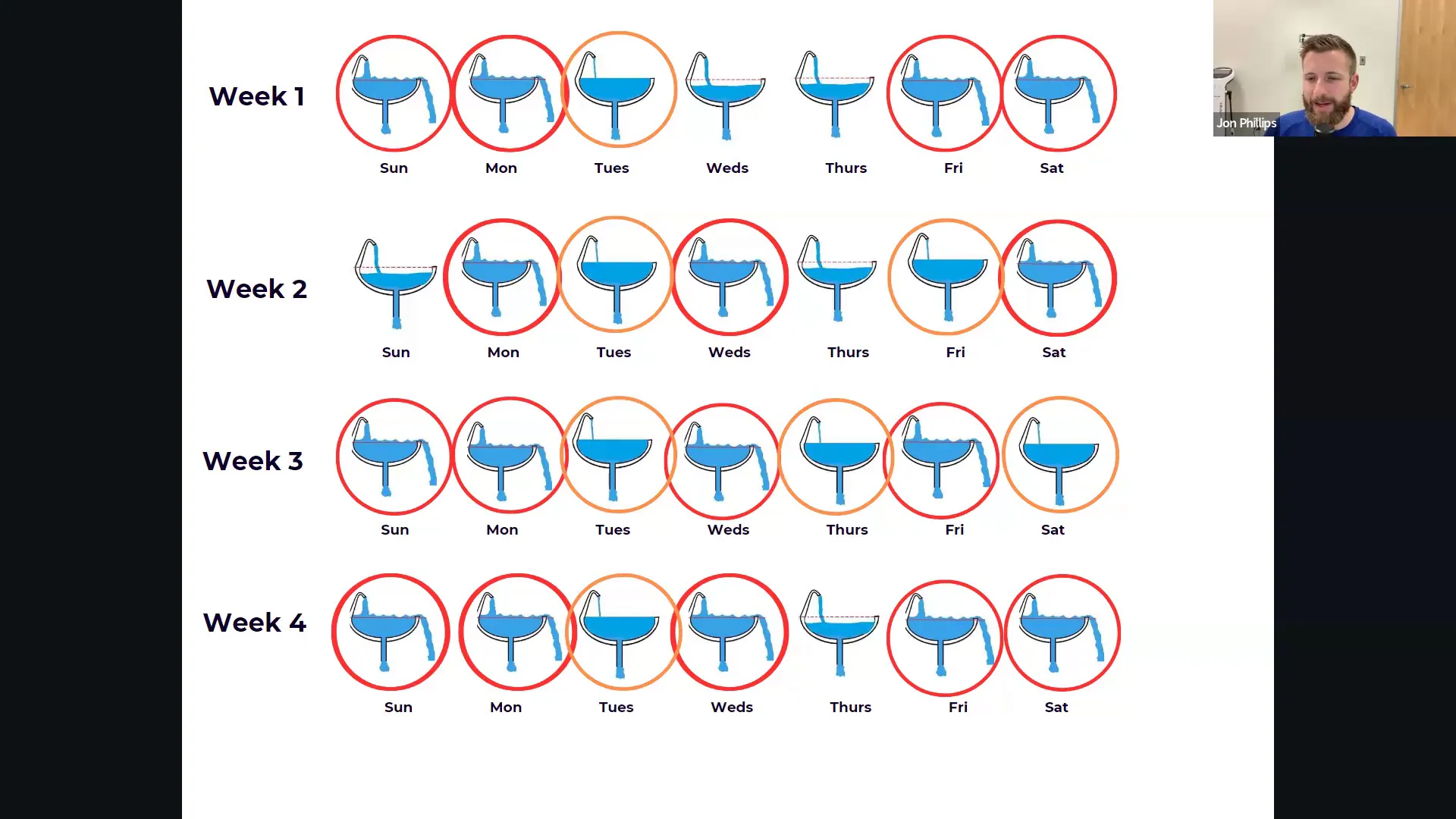
Let’s dive into the sink analogy to simplify this concept. Picture your body as a sink. The faucet represents the calories you consume, and the drain represents the calories you burn. When you turn on the faucet (intake more calories) faster than the drain can handle, water spills over, symbolizing a caloric surplus.
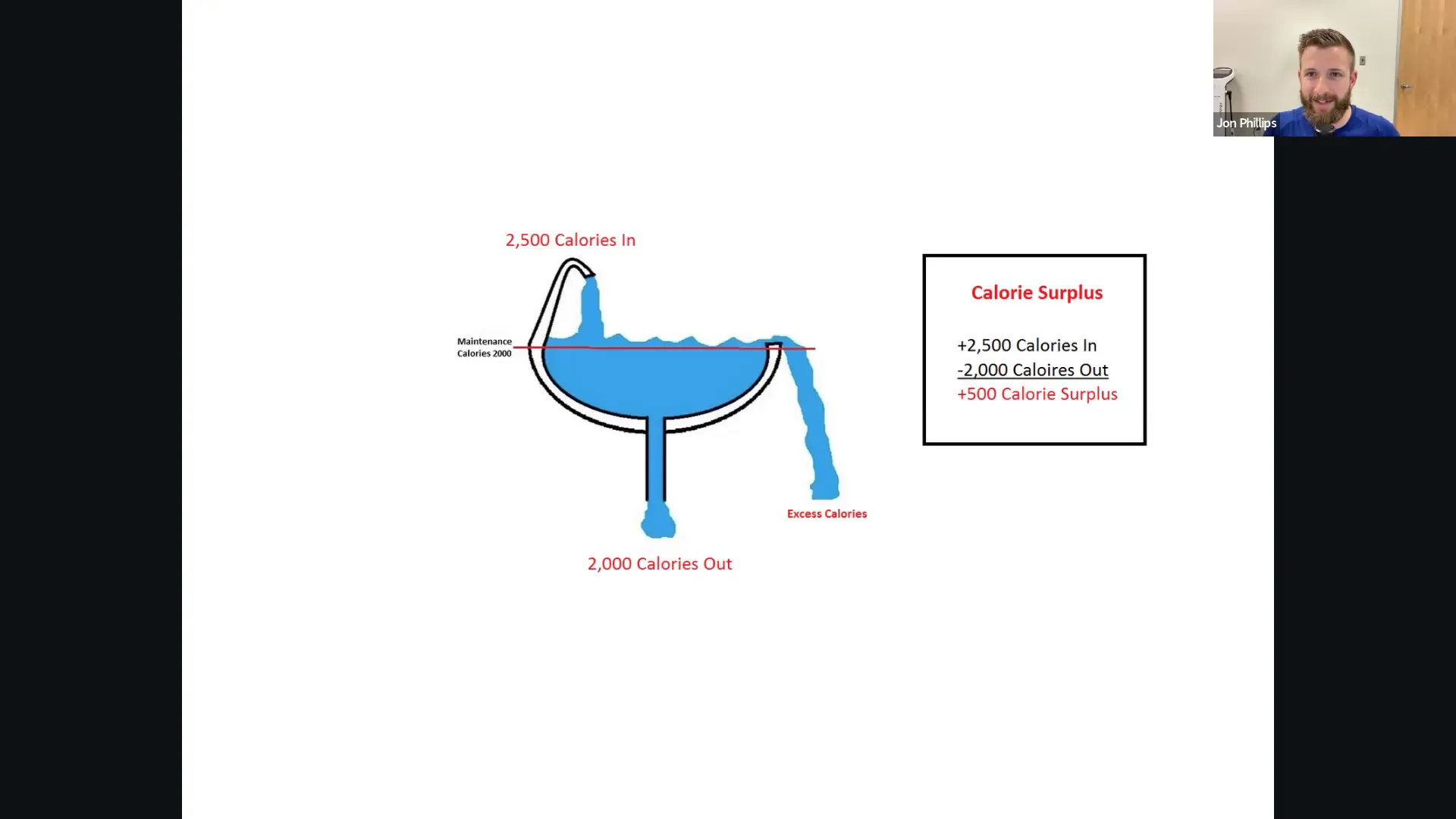
Conversely, if the drain is working faster than the faucet, the sink will eventually empty, representing a caloric deficit. If both are balanced, the sink remains steady, symbolizing weight maintenance. This visualization can help you understand the importance of managing both sides of the equation.
🍽️ Impact of Weekend Eating Patterns
Weekends often present unique challenges when it comes to caloric intake. Many people find themselves indulging more during this time, leading to a caloric surplus that can undo the hard work of the week. It’s crucial to recognize these patterns and adjust accordingly.
Consider how your weekend eating habits influence your overall caloric balance. If you tend to overindulge on weekends, it may be beneficial to moderate your intake during the week to offset those surplus days. By being mindful of your eating habits over the weekend, you can better maintain your weight loss journey.
In summary, understanding the principles of energy balance is vital for effective weight management. By visualizing your caloric intake and expenditure, recognizing the impact of your weekly patterns, and employing the sink analogy, you can navigate your weight loss journey with more clarity and confidence.
🔍 Magnitude of Caloric Changes
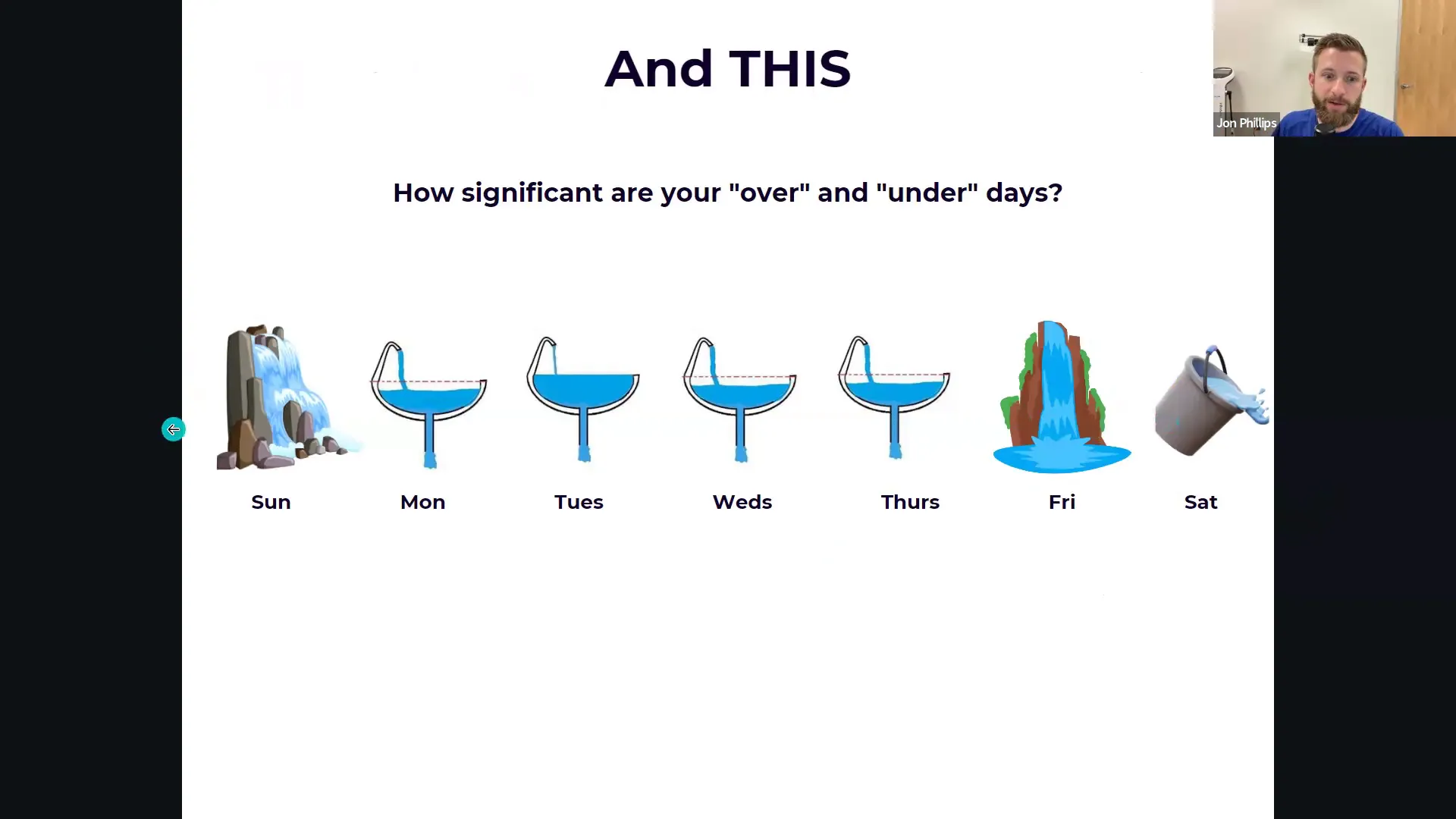
When discussing weight loss, it’s essential to recognize that not all caloric changes are created equal. The magnitude of these changes can significantly impact your weight management journey. Think about it: a slight surplus or deficit can lead to very different outcomes over time.
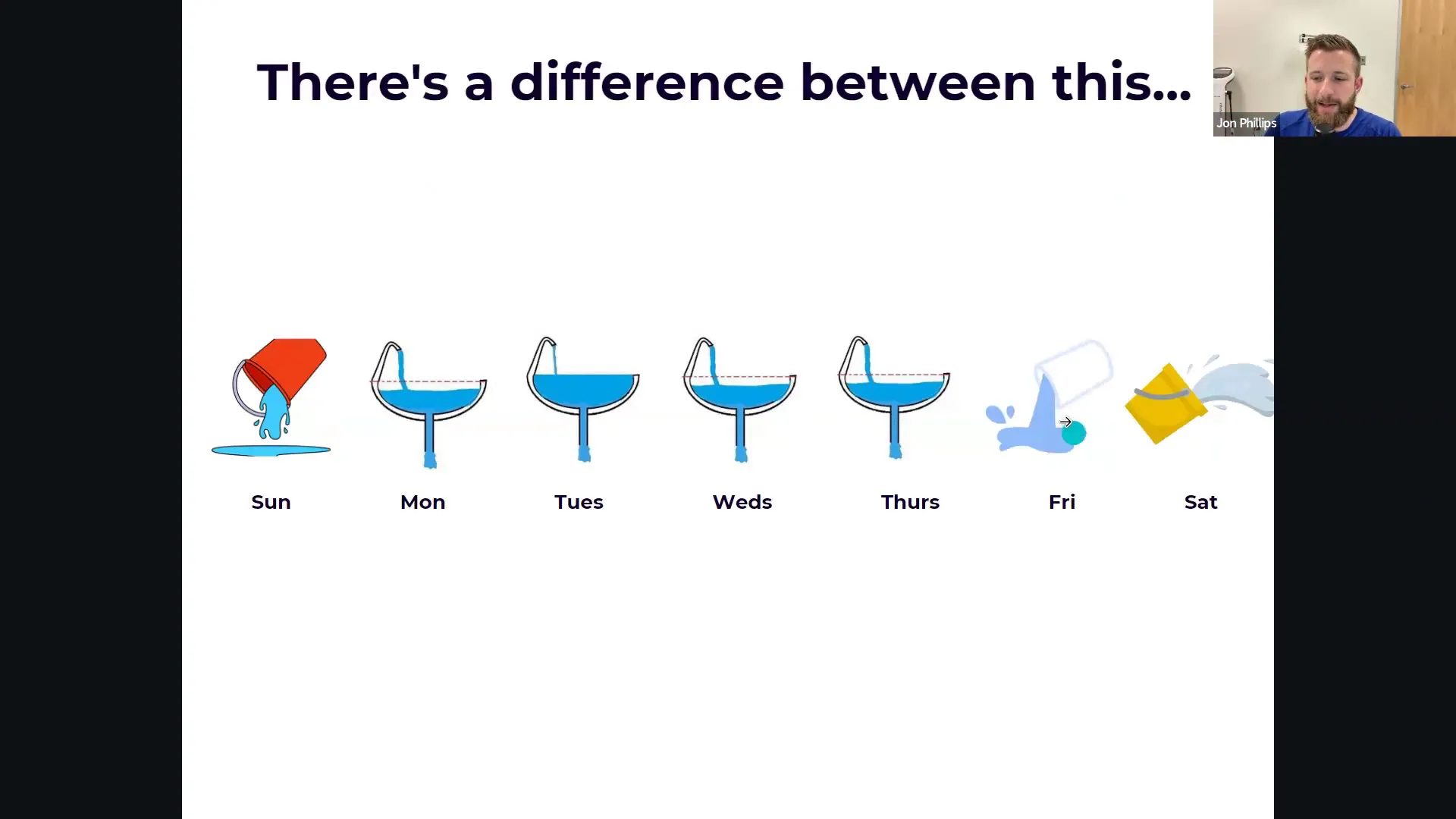
Imagine your caloric intake as a series of cups filling up a sink. A small cup spilled might not cause too much of a mess, but a large bucket can overflow quickly. Similarly, a minor surplus might not derail your efforts, but a significant one can lead to noticeable weight gain.
📈 Differentiating Between Small and Large Surpluses
Understanding the difference between small and large surpluses is crucial. A small surplus might be akin to a cup of water spilling out of your sink—manageable and not too concerning. However, a large surplus, like dumping a bucket of water, can create a mess that’s much harder to clean up.
For instance, if you consume just 100 calories over your maintenance level once or twice a week, that might not have a significant impact on your weight. But if that surplus becomes a pattern—say, 500 calories or more on multiple days—you could be looking at a gradual weight gain.
📅 Zooming Out: Monthly Weight Management
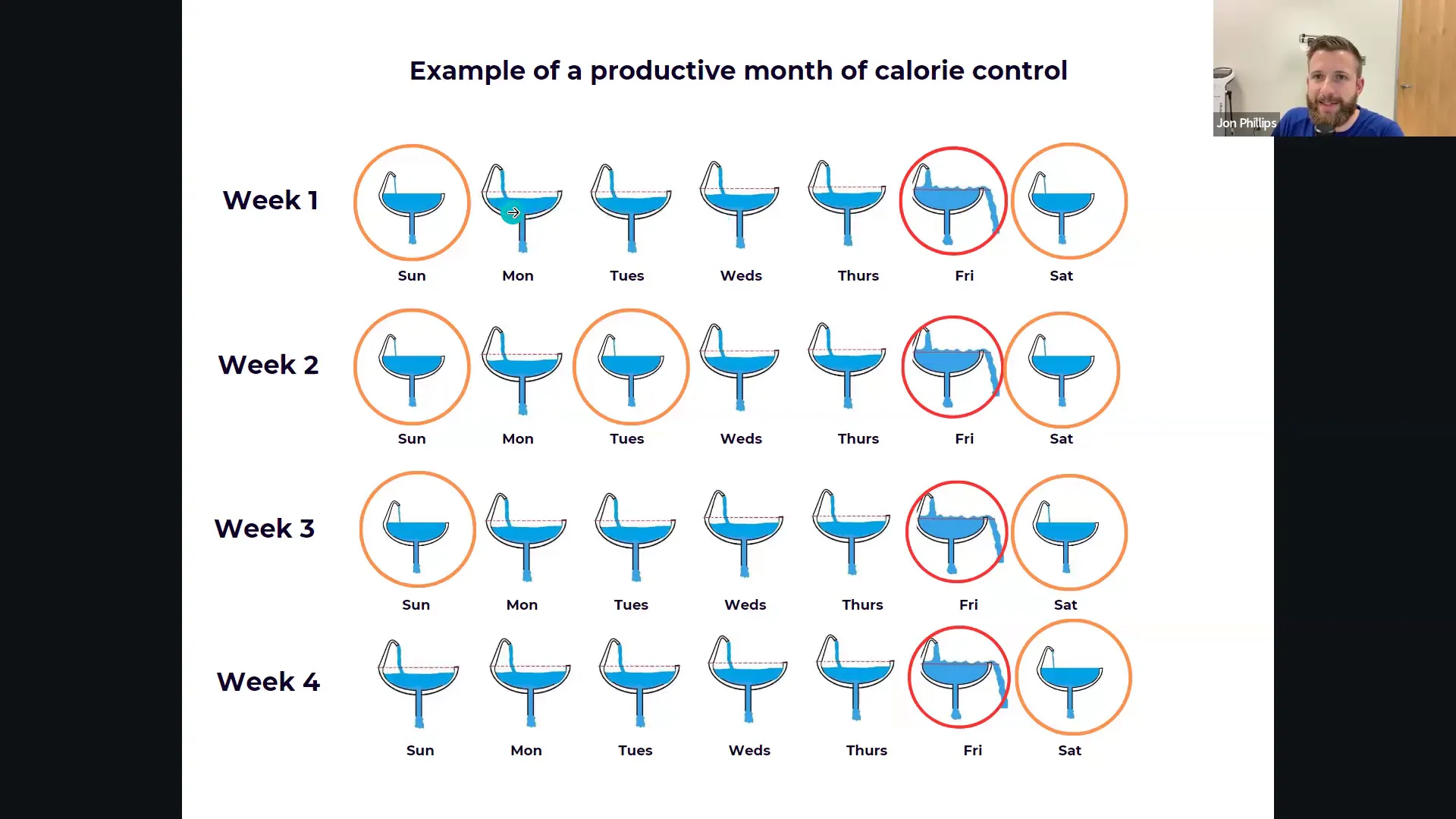
Now, let’s take a step back and look at the bigger picture. Weight management isn’t just about daily fluctuations; it’s about your overall performance over weeks and months. This broader perspective allows you to understand how your eating habits accumulate over time.
Imagine tracking your caloric intake and expenditure over a month. If you have a few surplus days balanced by several deficit days, you might still achieve weight loss. Conversely, if surplus days dominate, weight gain is likely inevitable.
🛑 The Role of Maintenance Days in Weight Loss
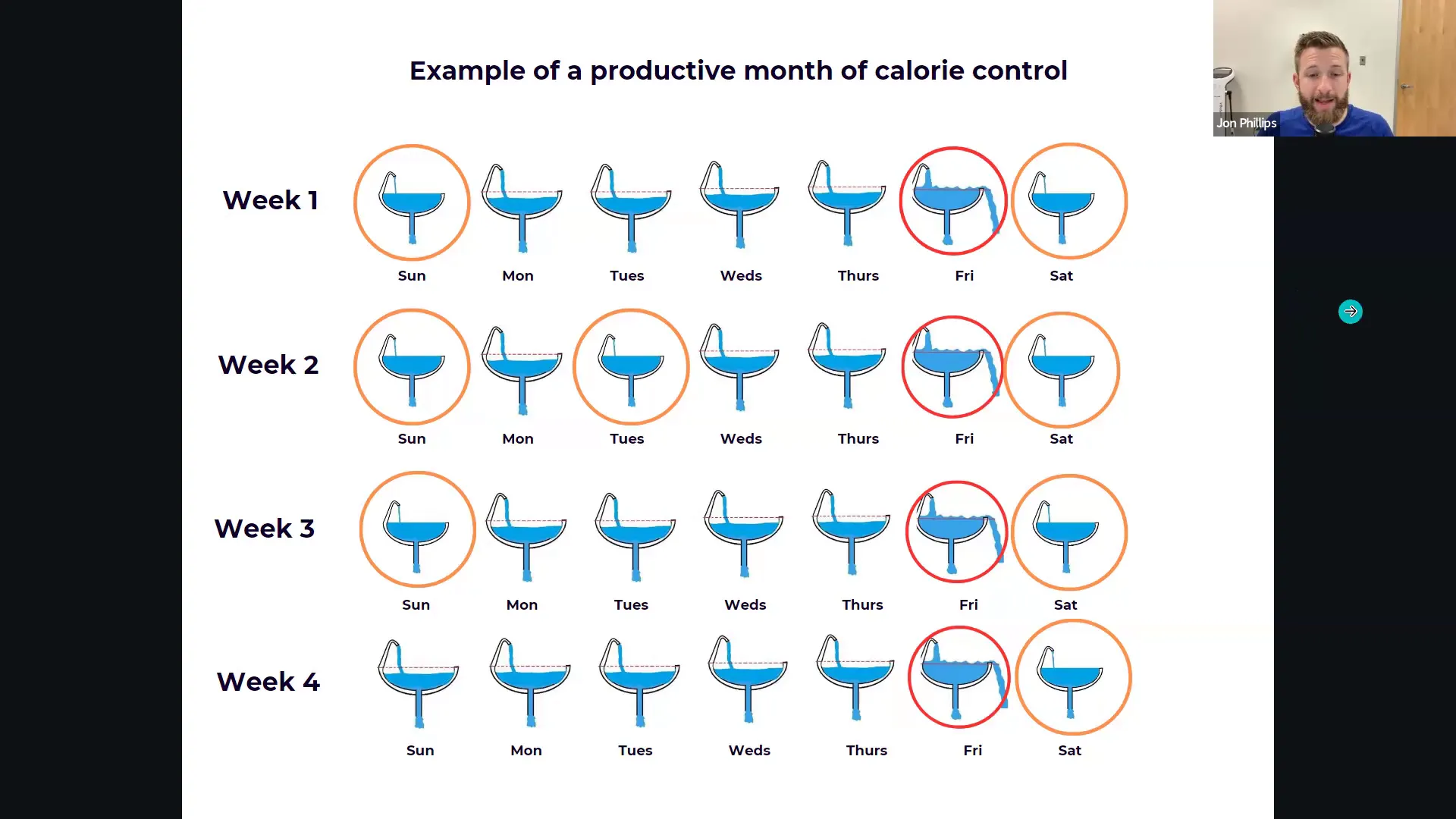
Maintenance days are vital for your weight loss journey. These are days where you eat at your maintenance level, allowing your body to stabilize and reset. They help prevent burnout and can make your weight loss efforts more sustainable.
On these days, you’re not in a deficit, but you’re also not in a surplus. Think of them as a breather in your weight loss journey, giving you the opportunity to enjoy food without guilt while still keeping your long-term goals in sight.
📊 Tracking Progress: The Importance of Awareness
Tracking your progress is crucial for achieving weight loss. Awareness of your eating habits can empower you to make better choices. Consider using a simple system, like the sink analogy, to visualize your caloric intake and expenditure.
By categorizing your days as deficit, maintenance, or surplus, you can gain valuable insights. This awareness helps you identify patterns and make adjustments as needed, ensuring you stay on track with your weight loss goals.
✅ Conclusion: Making Weight Loss Work for You
In conclusion, understanding the principles of energy balance is key to effective weight management. By visualizing your caloric intake and expenditure, recognizing the impact of small versus large surpluses, and incorporating maintenance days, you can create a sustainable weight loss strategy.
Remember, it’s not just about daily calorie counts; it’s about how these habits accumulate over time. With awareness and a balanced approach, you can navigate your weight loss journey with confidence and success.